• ‘We Are a Lost Generation’: The South African Men Fighting Violence Against Women
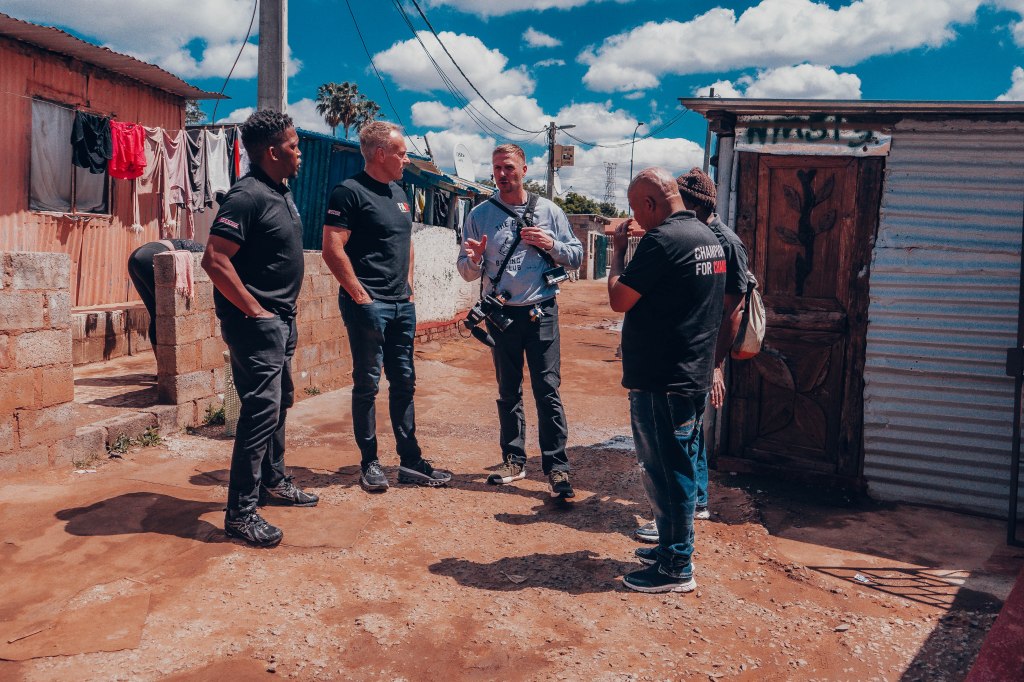
    Filming in the Organic Market Informal Settlement.

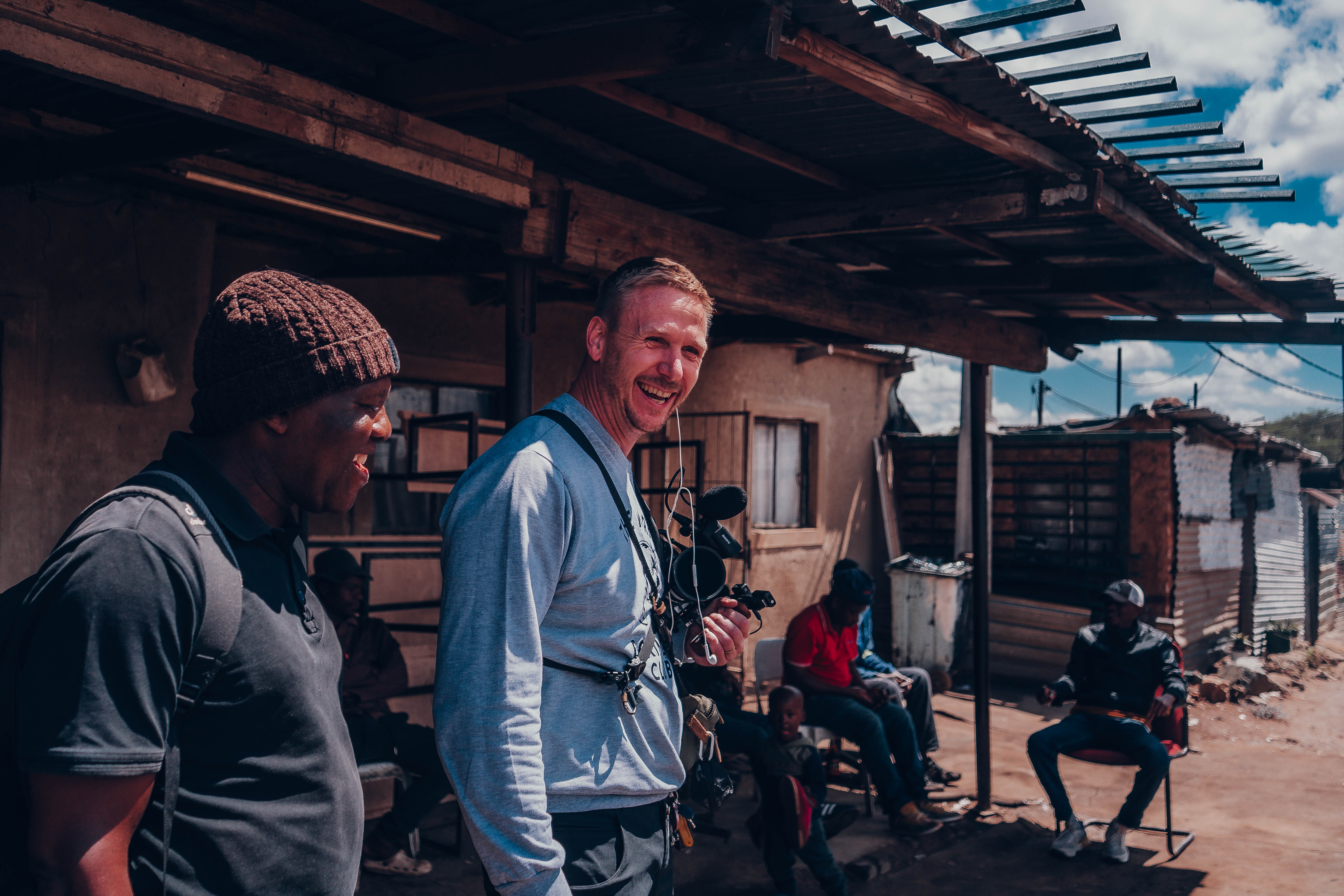
    In the course of my day job I don’t usually have to do much writing. So it was with some trepidation I accepted the request to write an article for the BBC News website about a meeting I had attended as a cameraman.

    Here’s the finished product, it’s nothing special but for me it is quite a big deal and hopefully wont be the last.

    “I witness men hitting ladies all the time,” says Kgomotso. “Especially when they are both drunk.”

    “I once had an argument with my girlfriend,” he admits, “and I grabbed her and slapped her.”

    Kgmotoso Mathekga, 30, is speaking frankly during a gathering of men in a narrow street in a Johannesburg informal settlement known as Organic Market.

    It’s a maze of corrugated metal shacks and unpaved roads, close to Alexandra township.

    “Now I feel pain,” Kgomotso continues. “We broke up and I no longer see my child. I feel like I’ve contributed to the problems in South Africa, instead of being the gentleman that I know I am.’
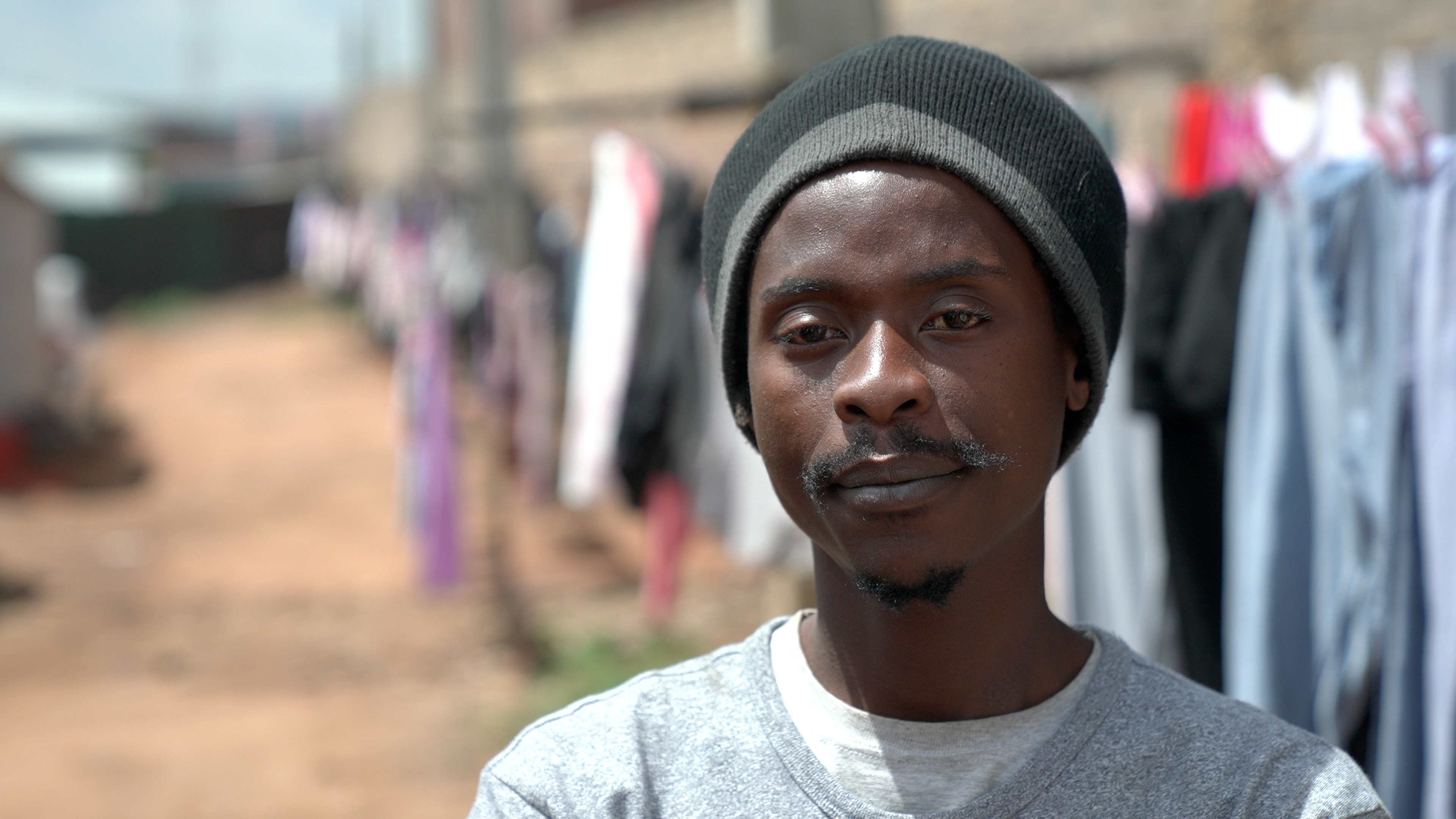
    Kgmotoso Mathekga (Photo: Me)

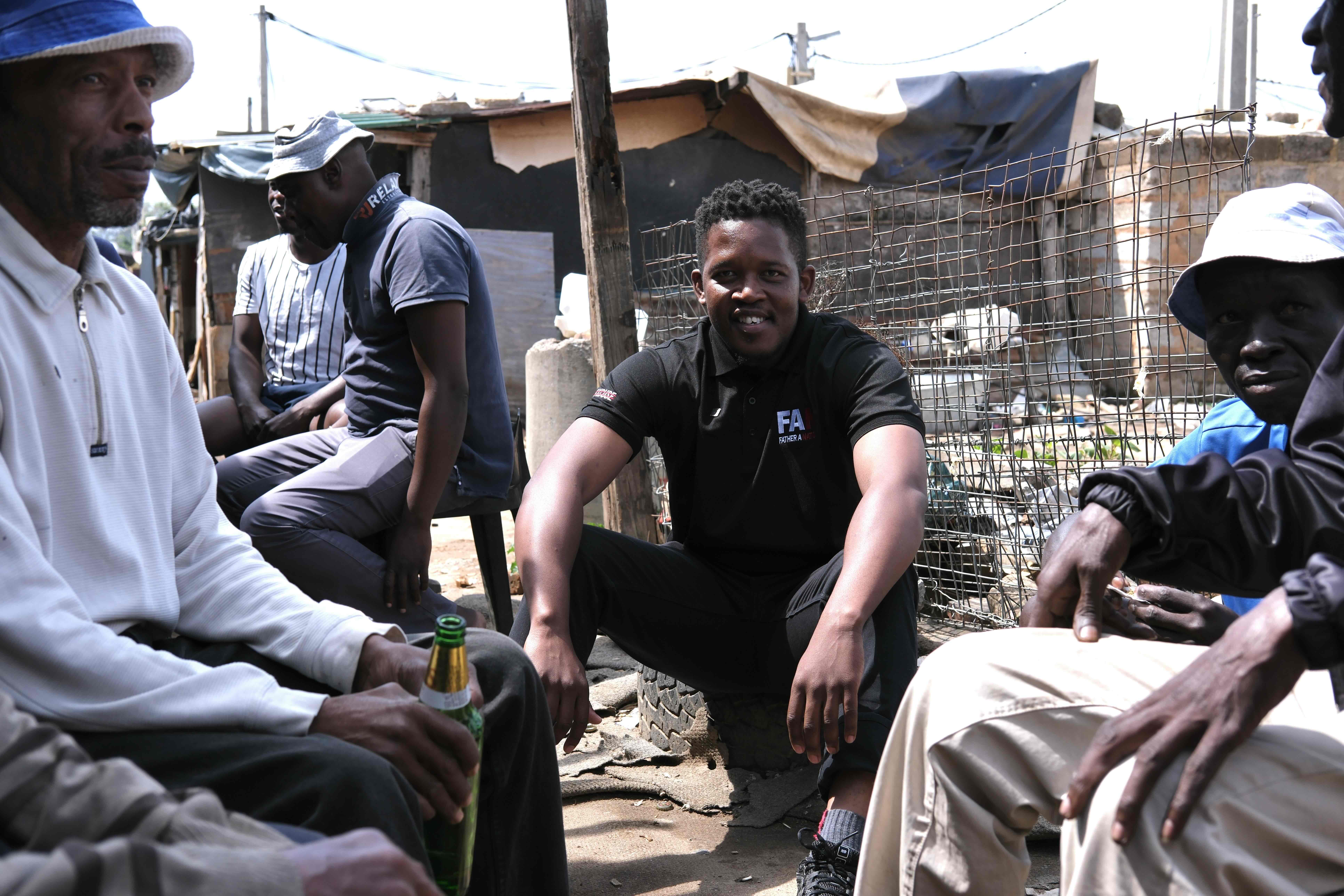
    At a nearby tavern, a group of men have pulled up chairs in a circle outside in the dust.

    In the middle stands Itumeleng Stephen Tamaga, known locally in Organic Market as Bra Steve.

    He raises his fist and shouts, “We are men!”

    The group clap and cheer, a few sip on bottled beer.

    “Listen guys,” says Bra Steve, “We must stand together to fight against Gender Based Violence and femicide.”

    Bra Steve is the local organiser of Father A Nation – a Non-profit that focuses on using positive male role models to help end violence against women and to try to fix broken neighbourhoods.

    The group’s meeting this week follows a period in which the issue of femicide and violence against women has dominated the headlines in South Africa, and sparked outrage around the world.

    The discovery of a cluster of women’s bodies – 12 over three months – in the city of Ekurhuleni near Johannesburg has reignited questions about the scale of what many people see as being a crisis of violence against women.

    South Africa’s president Cyril Ramaphosa made a televised address to the nation, admitting his government had not done enough and unveiling a raft of emergency measures he hopes can make women feel safer.

    The country has one of the highest murder rates in the world, with 5,427 people murdered between April and June this year alone.

    In that period, according to the South African Human Rights Commission, 569 women were killed – an average of six a day – and 1,052 others survived attempted murder.

    A report in 2022 by the Human Sciences Research Council found that over 35 percent of South African women experienced physical or sexual violence – many from their own intimate partners.

    For Bra Steve, part of the solution to the crisis is helping men to understand the issue and take responsibility for their actions.

    “We are a lost generation,” he says. “We must restore dignity to the men around here.”
    Zizipho Mtwesi (Photo: Me)

    Amongst the group of men outside the tavern is Zizipho Mtwesi, the project co-ordinator of Father A Nation.

    Reflecting on recent weeks, he says more should be done.

    The latest measures announced by Mr Rampahosa – including better street lighting and a review of unsolved cases – are too little, he says, and too late.

    “When I think about all of these recent murders in Johannesburg, I get angry, why do we have to wait for this to happen for us to act?”

    He looks around and gestures at the meeting. “We are trying to reach men before things like these murders happen again.”

    Craig Wilkinson is the founder of Father A Nation. “We get men to talk, to process their feelings,” he explains.

    “And as they do, this healing takes place. And the second phase is teaching and training positive masculinity.

    “We ultimately hope that this will eliminate the scourge of Gender Based Violence.”

    He stands up, moving into the centre of the group, calling out to the men.

    “You as a man are a powerful force for good,” he tells them. “You choose what kind of man you want to be. Women need to be safe.”

    Father A Nation operates across South Africa, teaching healthy masculinity and running training programmes across dozens of schools and colleges.

    Mystery still surrounds the spate of murders which has sparked South Africa’s latest moment of soul-searching about the safety of its women.

    Police have not ruled potential links between some of the Ekurhuleni deaths but have not said explicitly they are hunting a serial killer. Some suspects for some of the crimes have appeared in court.

    But the spate of deaths has sparked new concerns – and in Organic Market some women are more fearful than ever.
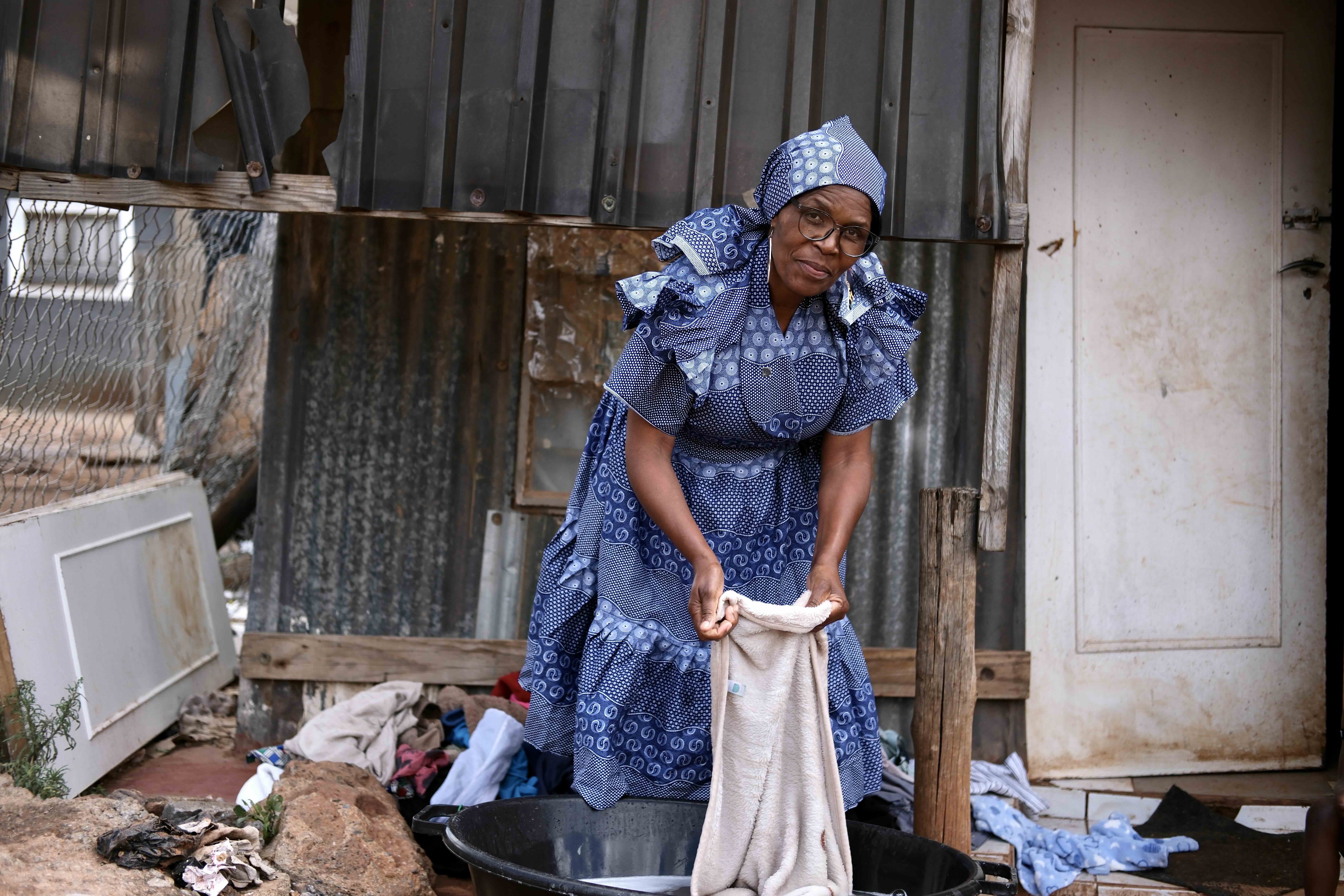
    Linkie Mashele (Photo: Me)

    Outside a nearby shack Linkie listens with interest as she cleans clothes in a large metal bucket.

    “We are not safe when we are outside our place,” she says.

    “We are afraid when we see a car behind us when we walk.

    “We feel afraid. We feel scared. What if this guy’s going to kidnap me or do something to me?”

    It’s a feeling shared by many women here. In the local hair salon, sporting a mane of thick pink braids, is Providence Maseko.

    She comes to the door to speak Bra Steve.

    “Safety here is very bad,” she says, “maybe you are the serial killer – how do I know who to trust?:

    Bra Steve laughs. “We must talk about these things,” he urges. “Come to our meetings and we can learn to trust each other.”

    Providence tells me that she now takes an e-hailing taxi everywhere in the hope that it is safer.

    Back at the tavern, today’s men’s meeting is wrapping up.

    “As we try to stop gender-based violence,” says Zizipho, “each and every man needs to know that they need to play a part in this.

    “And if they wouldn’t allow these things to happen to their own daughters or own mothers, they mustn’t allow it to be done to someone else’s daughter, which is their wives or their girlfriends.”

    Kgomotso is impressed with what he’s heard.

    “I would love them to keep on practising what we have learned, because we no longer have role models.

    “Our fathers and our uncles, they are there in prison. We must now become role models and help make this country better.”

    ENDS
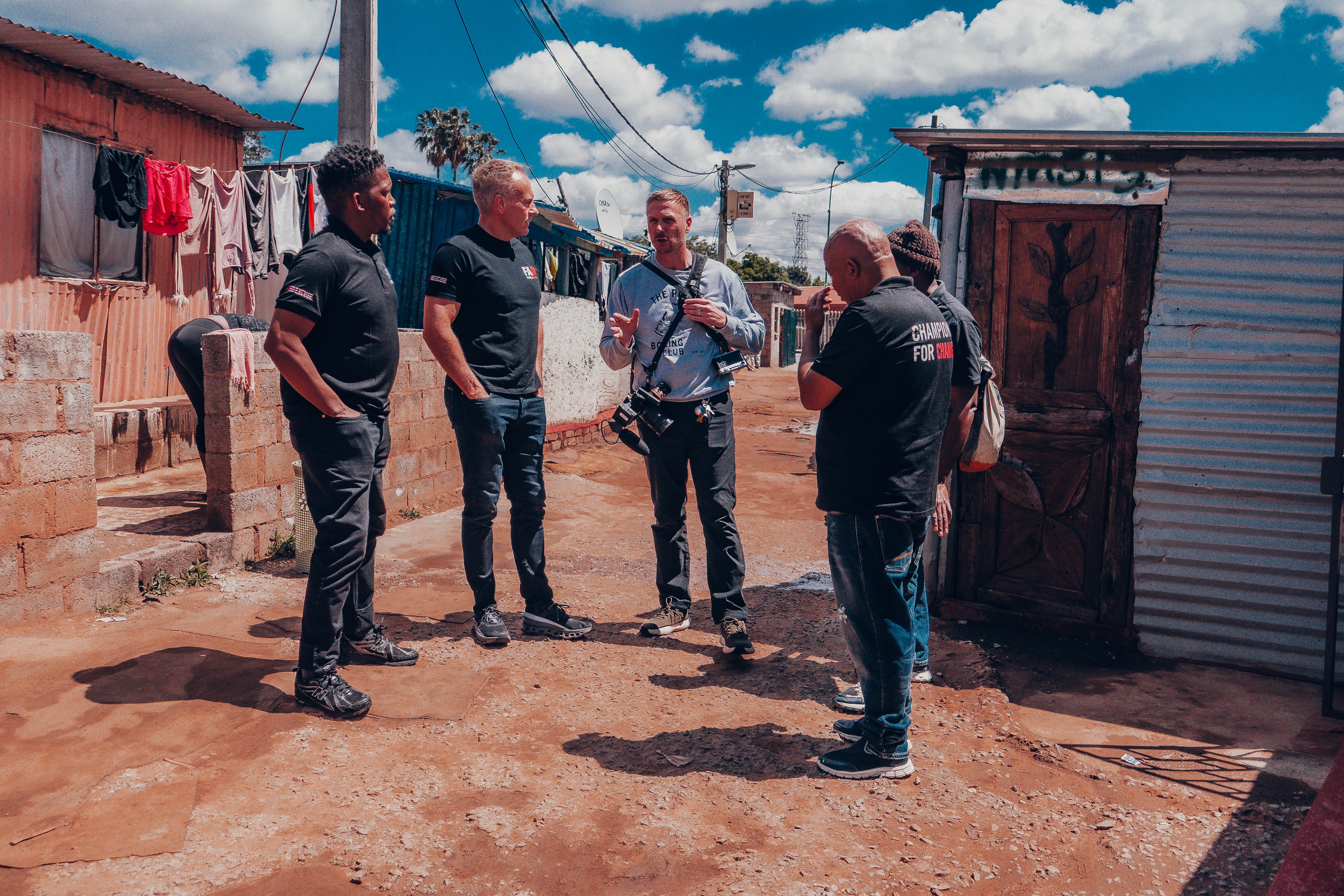
    With the guys from Father A Nation.
  • Indian Elections 2024

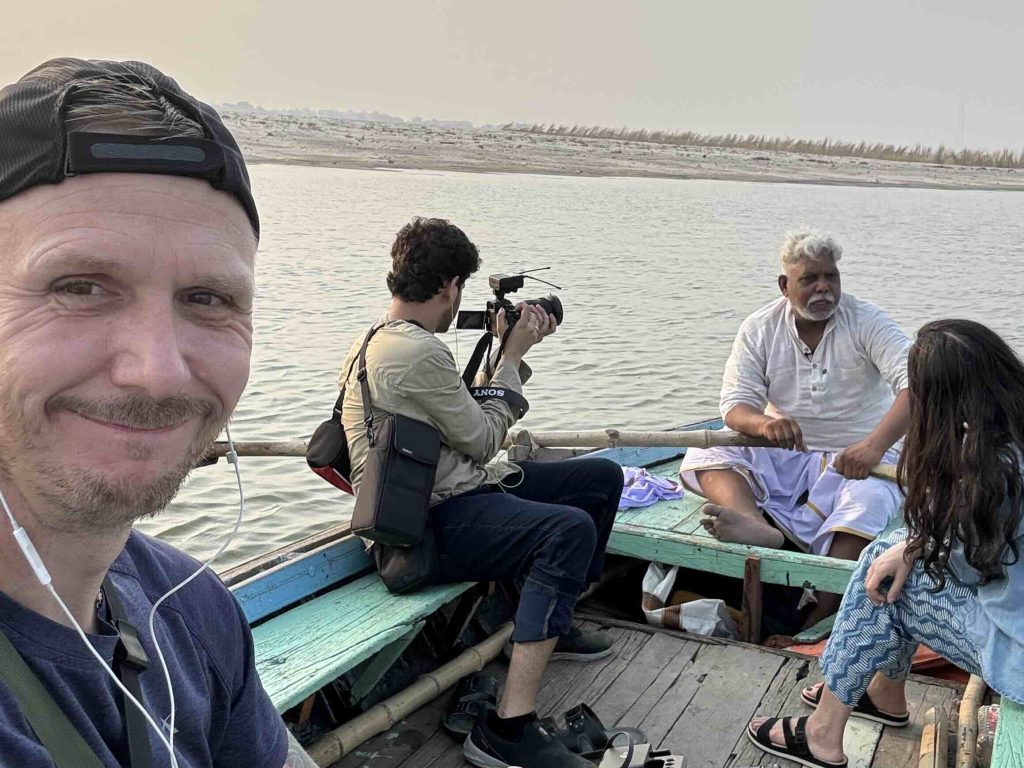
    The Indian elections are vast. It’s almost impossible to comprehend. So, when I had the chance to travel to Delhi to cover the last two weeks of campaigning, how could I resist?

    The team and I filming on the Ganges River at Benares.


    While there, I worked with a fantastic team and enjoyed every minute. I also assisted with training new members of staff and oversaw the scripting and production of several films both for TV broadcast and social media platforms.

    In a surprise turn up for the books, I even ended up presenting one of our films – which you can see embedded below. I enjoy presenting and would be keen to do more in the future.

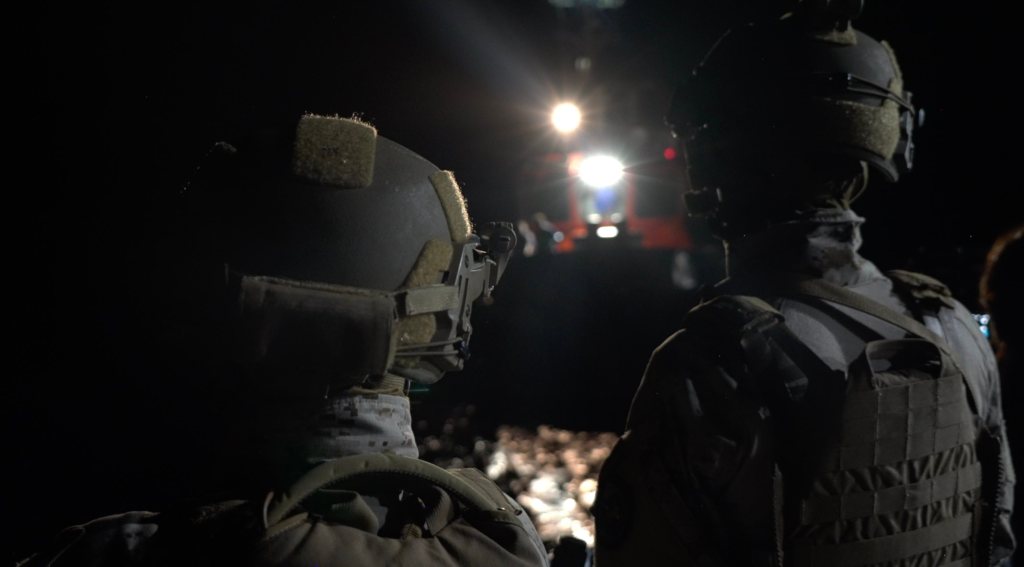
  • INSIDE PORT SUDAN: AN EMBED WITH THE SAUDI NAVY

    Sunday 30th April

    The lights of Port Sudan twinkle on the horizon.

    It’s the middle of the night and we are approaching the docks in a tugboat, bouncing around and dodging the occasional wave that crests the hull.

    I am traveling light – camera and run bag only. We will have just a few minutes on the ground.

    As we scramble ashore, a small crowd of people begins to move towards us, exhausted but elated to be leaving Sudan.

    There are few lights and I am thankful for the low-light capability of my Sony A7S camera.

    Clambering from the Tugboat back onto the Navy corvette.

    The group is mainly men – Pakistani and Nepali mostly. The majority were robbed during their journey out of Khartoum and now have little to show for their years of working in the country.

    I greet them with a smile. My Urdu skills are rusty but I can still get by. Soon, in the rush to get aboard, we find Muhammed Ali, a stocky, bearded man with an earnest face and gentle eyes wet with tears.

    I immediately realise that he is our main character, the human face of this story.

    He tells us of his journey – the fear, the desperation to escape. He has left everything behind, including his house and his car. He seems relieved to tell his story, finally relaxing, knowing that he is safe and on his way home.

    The tug boat heads back out to sea where we rendezvous with the Saudi Arabian Navy corvette. It’s a tough job to pull the two ships side-by-side. There is a lot of shouting and gesticulating.

    The waves have become bigger, the tug boat rolling, people stumbling.

    A rope ladder is thrown from the Helicopter deck of the Navy ship and one by one we all begin the terrifying climb from one boat to the other. I hand my camera to a marine while two others grab my arms and pull me aboard.

    Muhammed and I safely onboard. He can finally relax.


    Muhammed is just behind me and I swing around to film him as he clambers onto the deck.

    Soon Muhammed and his friends are sleeping. For now, their ordeal is over.

    I fetch my laptop, despite the constant noise on the boat, lack of sleep and the increasing sea-sickness we have to edit. Muhammed’s story must be told.

    ……

    Thanks to the excellent team I worked with on this story, including Andrew Harding, Kyla Herrmannsen and Marcus Buckley. As always, it was an honour.

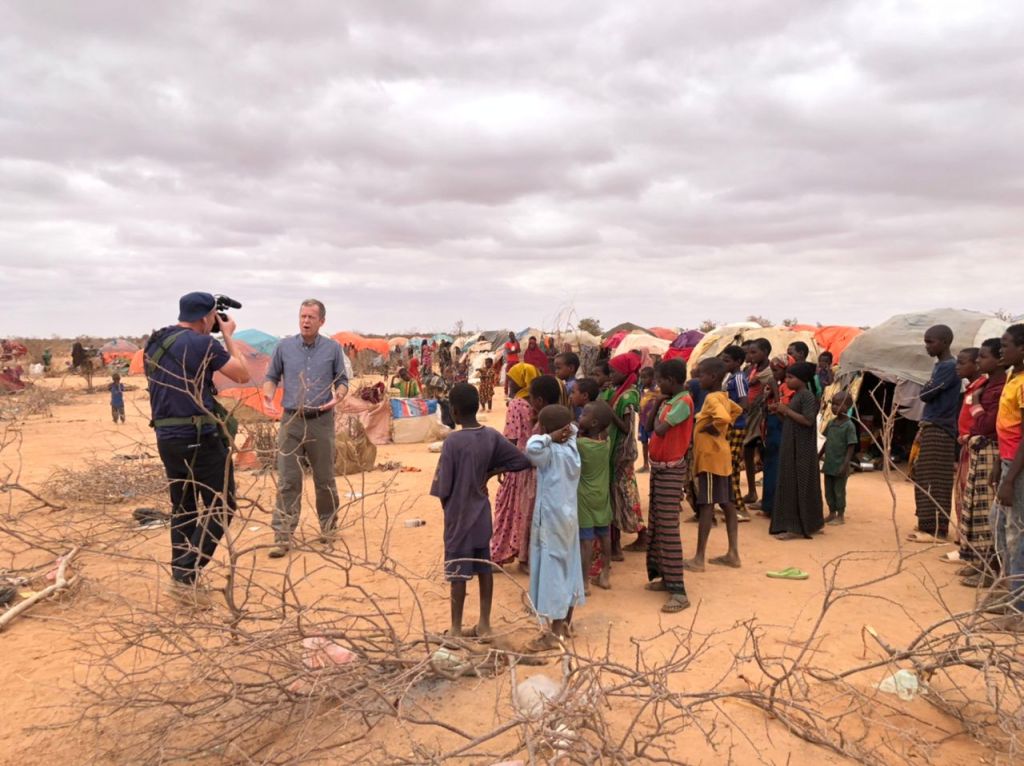
  • Somalia: Inside the worst drought in decades

    The grim spectre of drought has hold of Somalia once more.

    War has wracked this fascinating country for decades and, as always, it is the civilians, particularly the poorest, who suffer the most.

    Two Somali women build a hut in an IDP camp.

    The last three months of 2022 saw my team and I make multiple trips to Somalia. It is a dangerous place, with few places to stay.

    We made the first of our films in and around the city of Baidoa…a hot spot surrounded by the militant fighters of Al-Shabab. Here we found camps and clinics full of hungry people, including a young man called Dahir..to learn more you can view the two films below. In the first, we meet him and his family and in the second we return a few weeks later.

    For those interested in kit, I shot the films below using my new Sony A7S III with the 24-240mm lens and the Sony A6500 with the 10-18mm lens.

    We then deployed to the border town of Dolow. This is a calmer, safer town. Here we could even visit a local restaurant…something I hadn’t been able to do on previous trips to the country. Camel anyone?

    But despite an increased level of security, the drought still has a deadly grip on the region. At the local clinic we stood by helplessly as 2-year-old Abdiwali died.

    It was a horrific moment. The doctors tried their best to save him, but he was too sick, too weak from hunger. I cried as I filmed.

    Despite their pain, Abdiwali’s family understood why we were there and allowed us to come home with them and film the funeral. It was brave of them. Braver than I could ever be.

    Imagine tearing through the desert in Toyota pickup trucks, hanging your gear on the muzzle of a 50 calibre machine gun. That was the experience of our last film in Somalia.

    Caked with dust in the wilds of rural Somalia.

    We were embedded with Danab – the Somali special forces unit that is funded and trained by the Americans. These tough, capable warriors took us under their wing and escorted us through territory recently recaptured from the militants.

    We were with them for an exciting but gruelling 24 hours that culminated in a mad dash to the local airport to board our flight back to Mogadishu. You can view the film below.

  • Frontline Frontmen: My Ukraine documentary

    Being shelled is never fun.

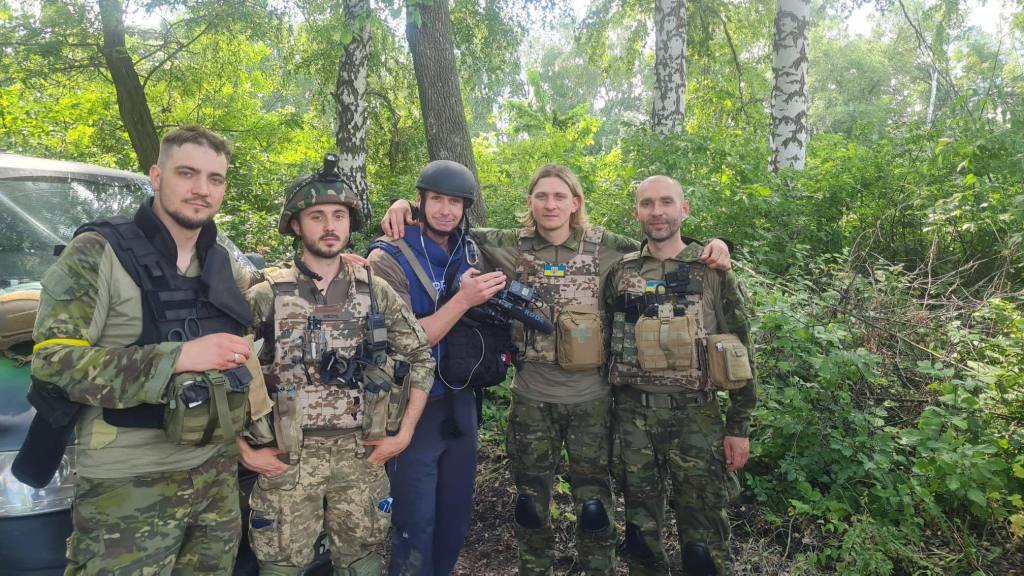
    During the summer of 2022, I spent another three weeks in Ukraine, covering the war. While there, the BBC commissioned me to direct, shoot and edit a documentary about the Ukrainian rock band Antytila.

    Taking shelter inside the band’s frontline aid post north of Kharkiv.

    Antytila has performed in front of thousands of fans over the years, but their frontmen have now swapped the stage for the front line of war.

    With their homeland under attack from Russian troops, members of the band switched guitars for first aid kits, joining up with army medics in Kharkiv. In a far cry from their old life, the group are now dodging artillery and treating wounded soldiers.

    It was an honour to spend time with these brave men. I hope that the film we made does justice to their sacrifice.

    I shot the film using a combination of my Sony a6500 with a 10-18mm lens and my Sony Z90. I edited it on FCPX.

    You can find the long version on BBC iPlayer.

    Below is the short version that is available on YouTube.

  • Assignment Ukraine: My films

    When the war in Ukraine began, I saw the reports, and I knew that eventually I would end up there. I am a news cameraman and this was the biggest story in the world. But I was scared.

    The scale of the war was much bigger than any conflicts I had ever covered before. The Russian weaponry was next level and the danger seemed to be immense.

    But despite my misgivings, I have now been twice. Once in April and again in June 2022. Both times I was based in Kyiv but I have traveled beyond the capital including 48 hours embedded with a team of medics near to Kharkiv (that was for a documentary which I will write about soon).

    In April I worked with the wonderful BBC correspondent Mark Lowen, and we made numerous films including these below. It took days of careful negotiating to access these Ukrainian dug-in positions on the edge of Kyiv, but the final film is one that I am very proud of.

    We then covered Orthodox Easter. I find filming in places of worship to be very fulfilling – the iconography, the theatre, the emotions.

    During this visit, I was also part of the team that filmed the BBC’s interview with President Volodymyr Zelensky. We were invited to the presidential palace and after passing multiple rings of tight security we finally met the man himself. He was as slick, professional and as friendly as you would expect for a former actor and comedian.

    Here I am mic’ing up the president for our interview.

    I returned to Kyiv again in June 2022. I split my time between working on a documentary and also news coverage with colleague Joe Inwood. I filmed and edited the news report below about the work of the HALO Trust.

    I will share my documentary with the rock band Antytila in the next post.

    I am sure I will be back in Ukraine again soon. I have mixed feelings – I enjoy the work and I welcome being at the centre of the BBC’s coverage, but only a crazy person enjoys and searches for danger.

    I am not sure how crazy I am anymore. Age and being a dad are convincing me that war coverage is not the most important aspect of this job.

  • Documentary: Building my new face

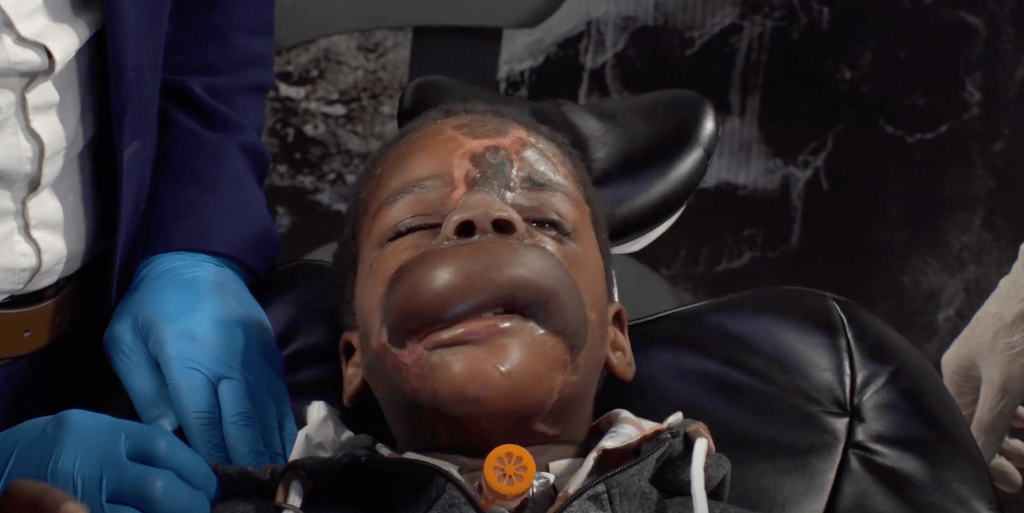
    Rodwell and his mother Shamiso are fantastic people and have been through so much. Rodwell, was badly mauled by a Hyena in Zimbabwe. This is the story of his recovery and the amazing people who helped him.

    This is my first documentary credit as Producer and Director. I also shot most of the South Africa elements and did the majority of the edit. It was a great experience and I hope to do more of this type of work in the future.

  • New Film: Cape Town’s disappearing great white sharks

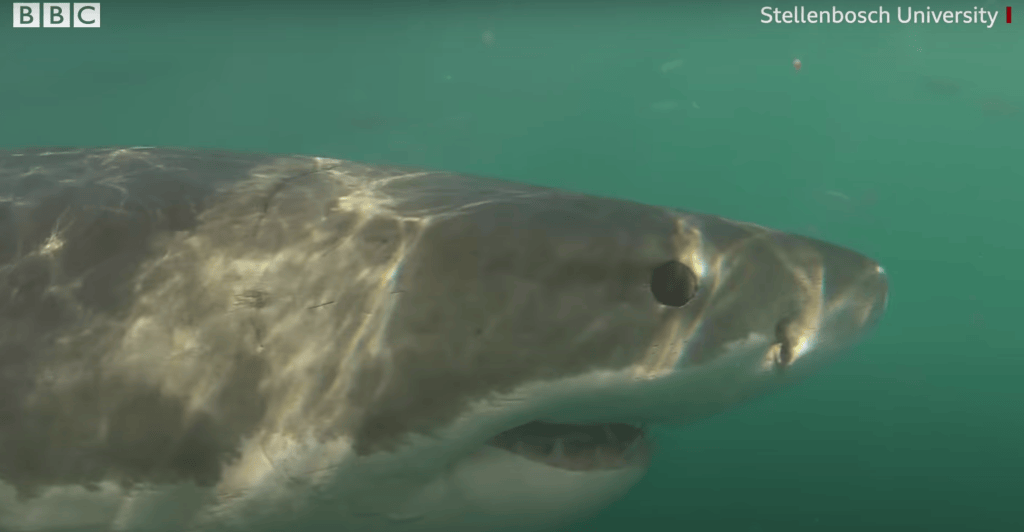
    For years, one of South Africa’s great tourist attractions has been the opportunity to see great white sharks up close. But barely any great white sharks have been spotted off the coast of Cape Town, South Africa for two years now – where there used to be hundreds. What’s going on?

    I shot this film in November of 2020, though there was quite a lengthy delay before it was finally released in February 2021. It was a fun and fascinating shoot that took us to some stunning parts of South Africa’s Western Cape province. The film was mainly shot on my trusty Sony Z90 with additional footage from my Sony a6500 with a 10-18mm lens on it. As usual, I cut it using FCPX.

  • New Film: A Mozambique Murder

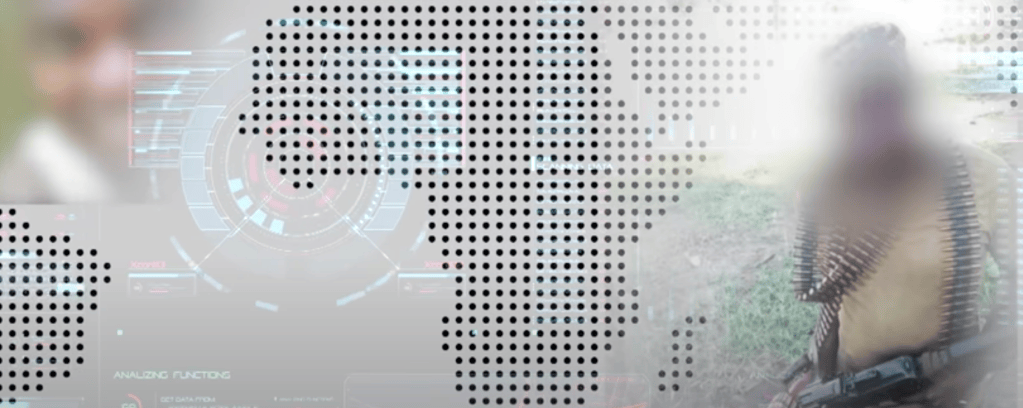
    Since the start of the pandemic, I have spent a lot more time than usual recording Zoom/Skype interviews and then trying to make the edit look interesting. It’s certainly been a creative challenge. I was recently tasked with working on the film below alongside Andrew Harding…We didn’t have much to work with, but with the help of an open source intelligence expert we contacted via Twitter, we were able to make some sense of this horrific murder.

    I experimented a lot with masks and layers and transparency effects within FCPX to try and make this film as visually powerful as possible. You can be the judge if my edit worked or not.

  • New film: A day in the life of a South African contact tracer

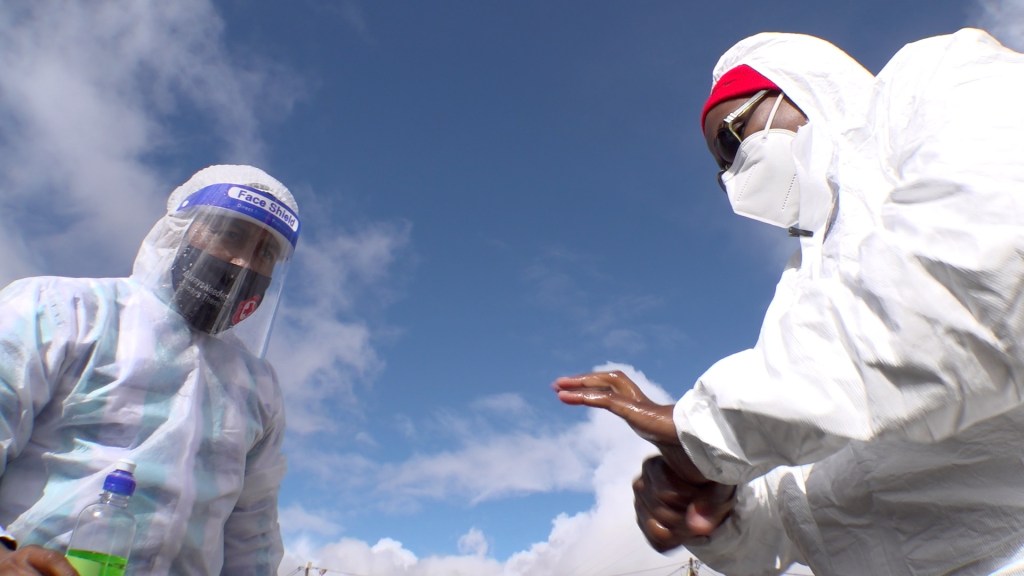
    South Africa has recently had a big spike in the number of coronavirus infections. One way that they have been trying to slow the spread is to use contact tracers. I and a colleague (Kyla Herrmannsen) were able to spend a day with one small team based in the Free State.

    Claudia and her colleagues from the Red Cross were incredibly impressive and it was an honour to film them at work.

    I shot this mainly on the Sony Z90 with a few gimbal shots from my Sony a6500.

    Obviously filming during a pandemic is much more complicated than normal. We wore KN95 masks at all times and maintained social distance – especially from those who we believed to be positive.